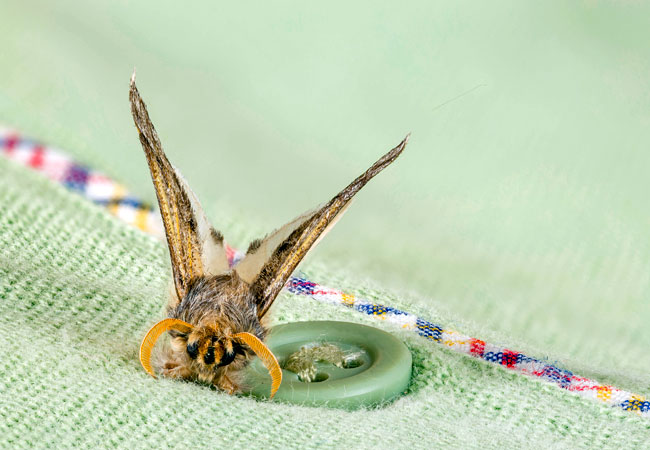
Closet Moth Infestations: Spotting Larvae & Saving Your Wool
Few household pests strike fear and frustration into the hearts of homeowners quite like the closet moth. The sight of these fluttering insects near your treasured garments can be alarming, but as many experts will tell you, the adult moths you see are merely the tip of the iceberg. The true culprits behind damaged woolens, silks, and other natural fibers are their voracious larvae. If you're wondering how to get rid of moths in closet spaces effectively, the real task lies in understanding their lifecycle, identifying the larvae's feeding grounds, and launching a comprehensive attack to protect your wardrobe.
Moth infestations often begin subtly. Perhaps you brought in an infested second-hand item, or they've migrated from a neighboring apartment or an overlooked corner of your home. Left unchecked, a minor problem can quickly escalate, causing irreparable damage to your most valued possessions. This guide will walk you through diagnosing an infestation, identifying the destructive larvae, and implementing proven strategies to reclaim your closet and save your textiles.
Identifying the Enemy: Larvae, Damage, and Other Infestation Signs
When dealing with closet moths, the first crucial step is to determine if you're facing a lone, harmless visitor or a full-blown infestation. Seeing a single moth flying around might not be a crisis, but repeated sightings, especially near your wardrobe or textile storage areas, signal a deeper issue. The adult moths are primarily focused on reproduction, laying eggs near suitable food sources. It's their offspring – the larvae – that are responsible for the holes in your favorite cashmere sweater.
What to Look For:
- Actual Larvae: Clothes moth larvae are small, creamy-white caterpillars, typically about 1/2 inch long, often with a darker head. They are notoriously shy and prefer dark, undisturbed areas. You might spot them crawling on clothes or within fabric folds.
- Silk Webbing & Cases: Some species of clothes moths, like the webbing clothes moth, create silken tunnels or sheets on fabric surfaces. Case-making clothes moth larvae, on the other hand, build a small, silken, camouflaged case around themselves as they feed, which they carry with them. These cases are often the most visible sign of their presence.
- Irregular Holes: This is the most obvious sign of damage. Moths chew irregular holes, often along seams, collars, cuffs, or in hidden areas of garments. Look for "grazing" marks or surface damage, especially on soft, expensive materials.
- Frass: These are tiny, sand-like pellets, which are actually the larvae's droppings. They often match the color of the fabric being consumed and can be found in drawers, on shelves, or on garments.
- Cocoons: After the larval stage, the moth pupates in a silken cocoon. These can be found attached to clothing, in corners of closets, or along baseboards.
- Shed Skins: As larvae grow, they shed their skins. These translucent casings can sometimes be found near feeding sites.
If you're noticing any of these signs, particularly in areas where clothes are stored and rarely disturbed, it's highly probable you have an active infestation that needs immediate attention. The longer it goes unnoticed, the more widespread and costly the damage becomes. For deeper insights into targeting the root cause, read our guide on How to Banish Moths from Your Closet: Target Larvae First.
Pinpointing the Source: Where Larvae Hide and What They Eat
The key to effective moth eradication is locating the primary food source that sustains the larvae. Clothes moths, specifically the common or webbing clothes moth (Tineola bisselliella) and the case-making clothes moth (Tinea pellionella), are keratin feeders. This means they are drawn to animal fibers rich in keratin protein.
Their Favorite Targets Include:
- Wool: Sweaters, blankets, suits, carpets, rugs
- Cashmere & Mohair: High-end knitwear, scarves
- Silk: Ties, blouses, scarves, delicate garments
- Fur & Feathers: Coats, hats, decorative items, pillows, duvets
- Blends: Fabrics that contain a mix of natural and synthetic fibers can also be targeted if there's enough natural content.
Beyond the material itself, certain conditions make items even more attractive to moths. Garments worn previously and then put away without washing are particularly vulnerable. Residual sweat, skin oils, food stains, and even pet dander provide additional nutrients and moisture, making them irresistible to hungry larvae. Infestations often begin in items that are stored away for long periods, rarely used, and not regularly cleaned or inspected – think seasonal clothing, heirloom pieces, or forgotten textiles in attics and basements.
Where to Conduct Your Search:
Begin your thorough inspection in and around:
- Wardrobes and Closets: Empty them completely. Check every garment, especially those made of wool, cashmere, and silk. Pay attention to seams, folds, and under collars.
- Drawers and Chests: Inspect all contents, particularly stored linens, blankets, and seldom-used clothing.
- Underneath Furniture: Moths can infest carpets, especially in quiet, undisturbed areas under beds, sofas, and heavy furniture.
- Loft Voids & Storage Boxes: Any area with stored textiles, old toys with fur or feathers, or even pet bedding can be a breeding ground.
- Cracks and Crevices: Larvae and cocoons can hide in gaps in floorboards, along baseboards, and in wall cavities, especially if lint and dust accumulate there.
Remember, the goal is to follow the trail of damage and webbing back to its origin. This detective work is crucial for effective elimination.
Your Action Plan: Practical Steps to Eradicate Moths
Once you've confirmed an infestation and identified its source, it's time to take decisive action. This isn't just about crushing a few flying moths; it's about breaking their lifecycle and eliminating their food supply.
1. Isolate and Treat Infested Items:
- Wash & Dry: Launder all washable infested garments at the hottest temperature the fabric can withstand (check labels!). High heat kills larvae and eggs. For items that can't be machine washed, professional dry cleaning is highly effective.
- Freeze: For delicate items that can't be washed or dry cleaned, freezing can be a good option. Place items in airtight bags, press out all air, and freeze for at least 72 hours (a week is even better) at 0°F (-18°C) or colder. Allow to return to room temperature completely before opening the bag to prevent condensation damage.
- Heat Treat: If you have access to a tumble dryer or a steam cleaner, carefully subjecting items to high heat (e.g., 30 minutes at 120°F/49°C) can kill larvae and eggs.
- Discard: For heavily damaged or less valuable items, sometimes the best solution is to responsibly discard them to prevent further spread.
2. Deep Clean the Closet & Surrounding Areas:
- Empty Everything: Remove all items from your closet, drawers, and surrounding furniture.
- Vacuum Thoroughly: Use a powerful vacuum cleaner with attachments to get into every crack, crevice, and corner. Vacuum shelves, floors, baseboards, and even the walls inside the closet. Immediately empty the vacuum bag outdoors into a sealed trash bag to prevent re-infestation.
- Wipe Down Surfaces: Clean all surfaces with a mild soap and water solution, or a white vinegar solution. Pay special attention to dusty areas where eggs might cling.
- Consider Professional Help: For widespread or persistent infestations affecting carpets, insulation, or multiple rooms, consulting a pest control professional like Inoculand Ltd's head biologist Daniel Neves recommends, is often the most effective route. They can identify hidden sources and apply targeted treatments.
3. Monitor and Follow Up:
- Pheromone Traps: These sticky traps contain a pheromone that attracts male clothes moths. They are excellent for monitoring moth activity and helping to gauge the severity of an infestation, but they won't eliminate a full-blown problem as they don't catch females or larvae. Place them near susceptible items and replace as directed.
- Regular Checks: Continue to inspect your clothes and closet regularly for several weeks or months after treatment. Moths have a lifecycle, and you might catch new hatches.
Prevention is Key: Keeping Moths Out for Good
Once you've successfully dealt with an infestation, the next critical step is to implement preventative measures to ensure moths don't return. Long-term prevention is about creating an environment that is unattractive and inaccessible to these pests.
1. Proper Storage Techniques:
- Clean Before Storing: Always wash or dry clean garments, especially natural fibers, before putting them away for an extended period. This removes any residual attractants like sweat or food particles.
- Airtight Containers: Store seasonal clothing, blankets, and other vulnerable items in airtight containers, garment bags, or vacuum-sealed bags. This creates a physical barrier against moths.
- Avoid Over-Stuffing: Give your clothes room to breathe. Over-stuffed closets create dark, undisturbed pockets that moths love.
2. Natural Deterrents & Repellents:
- Cedar: Cedarwood contains oils that act as a natural moth repellent. Use cedar blocks, hangers, or drawer liners. Remember that cedar's effectiveness diminishes over time, so you'll need to sand it periodically to release its scent or replace it.
- Lavender: Sachets of dried lavender are another popular natural deterrent, though they repel rather than kill moths. Place them in closets and drawers.
- Regular Aeration: Periodically air out your closet and clothes. Moths prefer still, stagnant air.
3. Consistent Cleaning & Vigilance:
- Routine Vacuuming: Regularly vacuum your closet floor, shelves, and carpet edges, especially in less trafficked areas.
- Rotate and Inspect: Don't let clothes sit untouched for months on end. Periodically rotate your wardrobe and give items a quick shake and inspection, particularly those made of animal fibers.
- Control Humidity: Moths thrive in humid conditions. Use a dehumidifier if your closet is prone to dampness.
By integrating these practices into your routine, you can significantly reduce the risk of future moth infestations. For more comprehensive advice on safeguarding your wardrobe, check out Protect Your Wardrobe: A Guide to Eliminating Closet Moths.
Conclusion
Dealing with a closet moth infestation can feel overwhelming, but by understanding the enemy – the larvae – and their preferred habitats, you can develop an effective strategy. The path to solving "how to get rid of moths in closet" spaces involves meticulous inspection, targeted treatment of infested items and areas, and diligent preventative measures. By taking proactive steps and maintaining vigilance, you can protect your valuable garments and ensure your wardrobe remains a haven for your clothes, not for pests.